
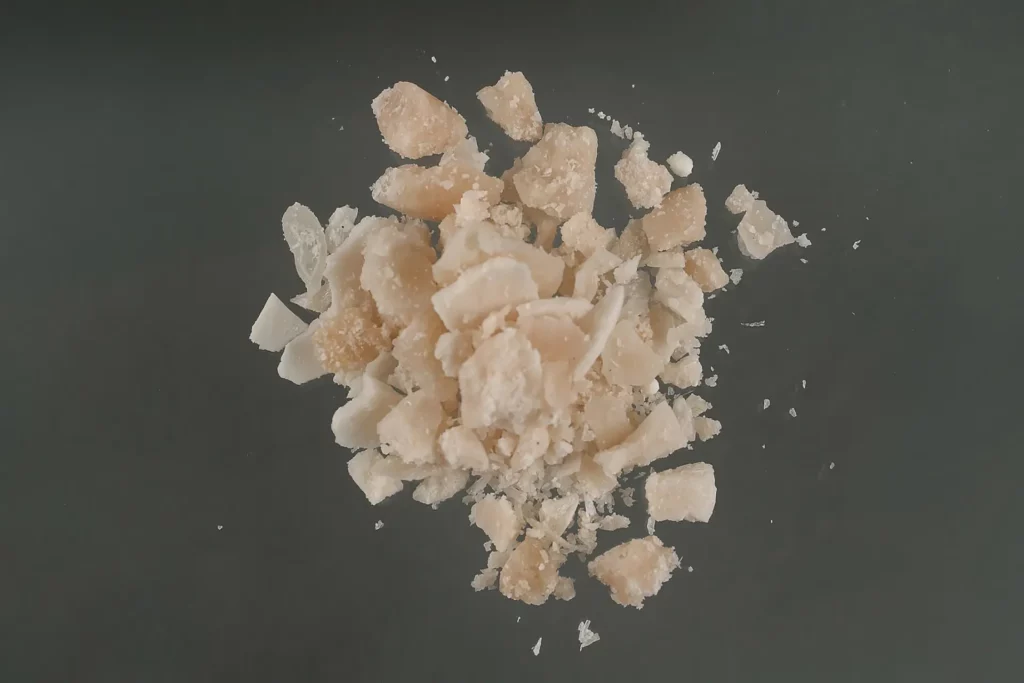
Cocaine
What Is Cocaine?
Cocaine, a potent and highly addictive stimulant, derives from the leaves of the coca plant indigenous to South America. In its powdered form, cocaine is a crystalline substance often consumed through snorting, smoking, or injecting. The drug’s primary mechanism of action involves blocking the reuptake of neurotransmitters, particularly dopamine, leading to an accumulation of these neurotransmitters in the brain. This surge results in intense feelings of pleasure, heightened alertness, and increased energy.
The rapid onset of euphoria makes cocaine a sought-after substance, but its effects are short-lived, often prompting repeated use to maintain the desired sensations. The addictive nature of cocaine, coupled with its profound impact on the central nervous system, underlines the critical need for thorough understanding and awareness of the substance.
Cocaine, scientifically known as benzoylmethylecgonine, is a powerful alkaloid derived from the leaves of the coca plant (Erythroxylum coca), native to South America. The compound’s pharmacological effects stem from its ability to interfere with neurotransmitter reuptake mechanisms in the brain, particularly dopamine, norepinephrine, and serotonin.
Upon ingestion, whether through snorting, smoking, or injection, cocaine blocks the reuptake of these neurotransmitters, leading to an accumulation in the synaptic clefts. This surplus of neurotransmitters intensifies signaling between neurons, resulting in the characteristic euphoria, increased alertness, and elevated mood associated with cocaine use.

Cocaine’s stimulant properties are primarily attributed to its interaction with the dopamine reward pathway in the brain. By inhibiting dopamine reuptake, the drug amplifies feelings of pleasure and reinforces the likelihood of repeated use. Prolonged or chronic use of cocaine can lead to alterations in neural circuitry, contributing to addiction and a range of adverse psychological and physiological effects.
At ResTech Labs, we recognize the complexities surrounding cocaine use and its potential repercussions. Our commitment to advancing knowledge about this stimulant includes rigorous testing and analysis, providing property owners and individuals with the insights needed to address the challenges associated with cocaine residues effectively.
Cocaine Use in Australia: A Growing Concern
In recent years, Australia has witnessed an alarming increase in the use of cocaine, marking a concerning trend in substance abuse. According to the 2019 National Drug Strategy Household Survey (NDSHS), cocaine emerged as the second most common illicit drug used in the previous 12 months. Notably, cocaine use among individuals in their 20s reached its highest level in 2019, with a significant rise observed between 2016 and 2019 – from 4.3% in 2001 to 6.9% in 2016 and a striking increase to 12.0% in 2019. Major urban centers, particularly Sydney and Melbourne, have become focal points for cocaine distribution and consumption, with nightlife venues and social events often serving as environments where the drug is prevalent. The increased availability of cocaine poses challenges to public health and safety, as the substance’s use may lead to a range of health issues and contribute to criminal activities.
Addressing the use of cocaine in Australia necessitates a comprehensive approach that involves public awareness, education, and effective drug testing and analysis. ResTech Labs is committed to playing a crucial role in this endeavor, providing advanced testing services to identify and quantify cocaine residues in properties. By shedding light on the impact of cocaine use and its potential residues, we contribute to fostering safer and healthier environments across Australia.
Signs of Cocaine Abuse
Identifying the signs of cocaine abuse is crucial for early intervention and support. Individuals struggling with cocaine addiction may exhibit both physical and behavioral indicators that can serve as red flags. Common signs of cocaine abuse include:
- Dilated Pupils: Cocaine use often results in enlarged pupils, even in well-lit environments.
- Elevated Energy Levels: Individuals under the influence of cocaine may display excessive energy, restlessness, and increased talkativeness.
- Erratic Behavior: Cocaine can lead to impulsive and unpredictable behavior, including heightened irritability and aggression.
- Nasal Issues: Snorting cocaine can cause nasal problems, such as frequent nosebleeds or a runny or congested nose.
- Changes in Sleep Patterns: Cocaine use may disrupt normal sleep cycles, leading to insomnia or periods of heightened wakefulness.
- Finaincal Strain: Funding a cocaine habit can lead to financial difficulties and a decline in overall financial responsibility.
- Paranoia and Anxiety: Individuals abusing cocaine may experience heightened levels of paranoia, anxiety, or even panic attacks.
- Withdrawal from Social Activities: A person abusing cocaine may withdraw from previously enjoyed social activities and exhibit a loss of interest in personal relationships.
- Secrecy and Isolation: Cocaine abuse often leads to secretive behavior, with individuals isolating themselves to hide their drug use.
Recognizing these signs enables friends, family, and colleagues to offer support and encourage those struggling with cocaine abuse to seek professional help. Early intervention is critical for addressing the physical and psychological consequences associated with cocaine addiction.
Forms of Cocaine
Cocaine is a versatile drug that can take various forms, each with its own method of use. The primary forms of cocaine include:
Powdered Cocaine: This is the most common form of cocaine. It appears as a white, crystalline powder that can be snorted or dissolved in water and injected. Powdered cocaine, often referred to simply as “coke” or “blow,” is a powerful stimulant drug derived from the leaves of the coca plant. In its standard form, it appears as a fine, white crystalline powder. This powder is the result of processing coca leaves and chemically extracting the cocaine alkaloid.
Despite its popularity, powdered cocaine poses significant health risks, including addiction, cardiovascular complications, and psychological issues. The illicit production and distribution of this substance contribute to public health concerns and criminal activities, highlighting the need for awareness, prevention, and intervention strategies.
Crack Cocaine: Crack cocaine is a highly potent and crystalline form of cocaine, the stimulant drug derived from the coca plant. What distinguishes crack cocaine from its powdered counterpart is its unique preparation process, which involves mixing powdered cocaine with baking soda and water and subsequently heating it. This method creates small, rock-like crystals, or “crack,” which can be smoked.
The name “crack” refers to the cracking sound produced when the crystals are heated and smoked. Smoking crack cocaine delivers the drug rapidly to the lungs, allowing for a quick and intense euphoric effect. However, this method also contributes to a shorter duration of the high compared to other forms of cocaine use.
Crack cocaine is known for its highly addictive nature and rapid onset of effects, making it a particularly concerning form of the drug. The intense pleasure experienced upon smoking crack can lead to compulsive use, increased tolerance, and addiction. Due to its potent and immediate impact, crack cocaine has been associated with a range of health and social issues, emphasizing the importance of awareness and intervention in addressing its harmful effects.
Freebase Cocaine: Freebase cocaine is a potent and highly addictive form of cocaine that has been chemically altered to enhance its smokability and immediate effects. The process of creating freebase cocaine involves converting the powdered cocaine hydrochloride into a more volatile form by removing the hydrochloride, making it suitable for smoking.
The production and use of freebase cocaine have been associated with significant risks, including the potential for overdose and serious respiratory problems. Due to its highly addictive nature and rapid impact on the central nervous system, freebase cocaine use requires heightened awareness, education, and intervention to address its harmful consequences.
Cocaine Hydrochloride: This is the powdered form of cocaine that is commonly seen. It is water-soluble, making it suitable for snorting or dissolving in water for injection. While cocaine hydrochloride is less potent than its freebase or crack counterparts, it still carries significant risks, including addiction, cardiovascular complications, and psychological issues.
Coca Leaves: In their natural state, coca leaves are chewed or brewed into tea in some South American cultures. While the effects are milder than with processed cocaine, they provide a stimulant effect
Frequently Asked Questions
ResTech Labs, with its specialized expertise, stands as a reliable partner in realizing these objectives, ensuring that properties across Australia remain safe, healthy, and conducive to the well-being of their occupants.
How Does Cocaine Addiction Develop?
Cocaine addiction develops due to the drug's impact on the brain's reward system. The intense pleasure experienced after cocaine use leads to a craving for repeated highs. Over time, the brain's reward pathways become desensitized, requiring more significant amounts of cocaine to achieve the same effect, thus leading to addiction.
What Are the Signs of Cocaine Withdrawal?
Withdrawal from cocaine can be intense and challenging. Common symptoms include fatigue, depression, increased appetite, vivid dreams, agitation, restlessness, and slowed thinking. Some individuals may experience severe cravings and mood swings during withdrawal.
Can Cocaine Use Lead to Overdose?
Yes, cocaine overdose is a serious risk. Overdosing on cocaine can result in seizures, irregular heart rhythms, heart attacks, strokes, and even death. Factors such as the purity of the drug, method of administration, and individual tolerance levels contribute to the risk of overdose.
What Steps Can Help Someone Overcome Cocaine Addiction?
Seeking professional help is crucial for overcoming cocaine addiction. Treatment often involves therapy, counseling, support groups, and in some cases, medication-assisted therapy. Creating a strong support network, addressing underlying psychological issues, and making lifestyle changes are essential components of recovery from cocaine addiction.