
Fentanyl
What Is Fentanyl?
Fentanyl is a potent synthetic opioid pain reliever, significantly more potent than morphine or heroin. Initially developed for medical purposes to manage severe pain, fentanyl is approximately 50 to 100 times more potent than morphine and classified as a Schedule II prescription drug. This opioid works by binding to the body’s opioid receptors, primarily targeting the brain regions that control pain and emotions.
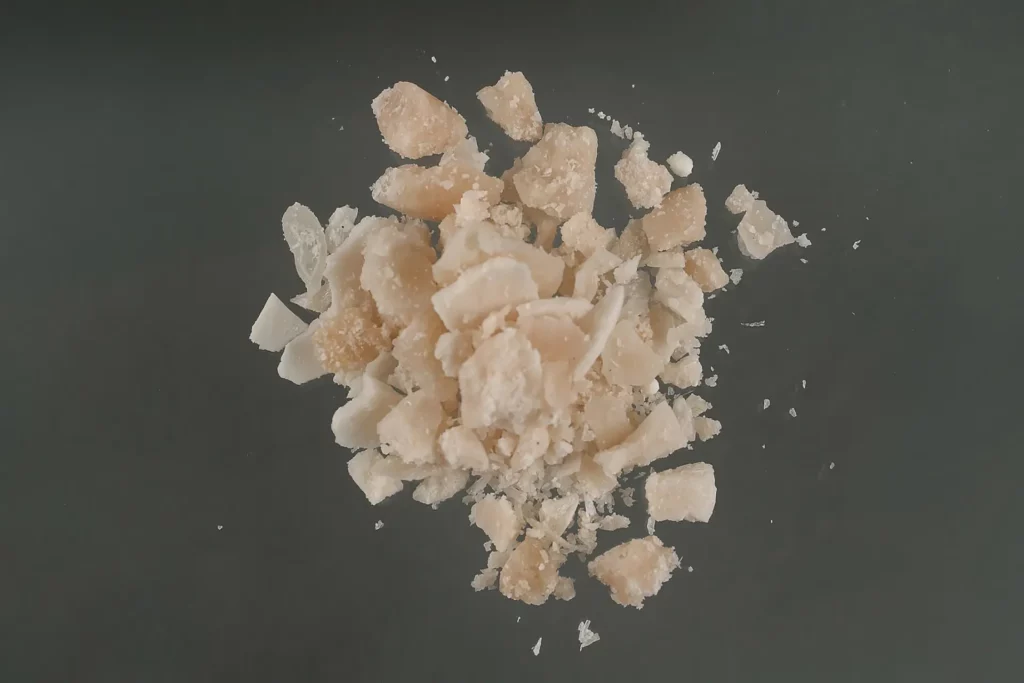
In its pharmaceutical form, fentanyl is available as patches, lozenges, pills, and injections. Illegally manufactured fentanyl often appears as a white powder, making it challenging for users to distinguish it from other drugs. Due to its high potency, even small amounts of fentanyl can lead to fatal respiratory depression.
The use of fentanyl can result in a rapid onset of effects, including pain relief, sedation, and euphoria. However, the drug’s potency increases the risk of overdose, addiction, and respiratory distress, making it a significant concern for public health and safety.
Restech Labs is dedicated to detecting and analyzing fentanyl residues accurately, providing essential insights to individuals and property owners to address the challenges posed by fentanyl contamination effectively.

Fentanyl Use in Australia: An Emerging Threat
Fentanyl’s emergence as a significant opioid threat in Australia has raised considerable alarm among healthcare professionals, law enforcement agencies, and public health authorities. While traditionally, opioids like heroin have dominated the illicit drug market, the increasing presence of fentanyl and its analogs poses a grave concern due to their potency and potential for lethal consequences.
The availability of illicitly manufactured fentanyl has contributed to a surge in opioid-related deaths in some regions of Australia. According to reports from the National Drug and Alcohol Research Centre, there has been an increase in the detection of fentanyl in overdose deaths, highlighting the urgency to address the risks associated with its use.
Recognizing Signs of Fentanyl Use
Identifying signs of fentanyl use is crucial for early intervention and support. Individuals using fentanyl may exhibit various physical and behavioral indicators:
-
Physical Signs: Drowsiness, confusion, constricted pupils, shallow breathing, nausea, and constipation.
-
Behavioral Signs: Euphoria followed by periods of sedation, slow or slurred speech, social withdrawal, and significant changes in mood.
Being vigilant about these signs allows for timely support and intervention, potentially preventing the severe consequences of fentanyl abuse.
Forms of Fentanyl
Pharmaceutical Fentanyl: Available in various forms such as patches, lozenges, nasal sprays, and injections, prescribed for severe pain management under strict medical supervision.
Illicitly Manufactured Fentanyl: Illegally produced fentanyl, often in powdered form, is sold in the illegal drug market and may be mixed with other substances. This form poses significant risks due to its potency and unpredictability.
Restech Labs’ commitment to accurate testing and analysis of fentanyl residues contributes to efforts aimed at preventing overdoses, promoting safer environments, and combating the adverse effects of fentanyl misuse.
Frequently Asked Questions
ResTech Labs, with its specialized expertise, stands as a reliable partner in realizing these objectives, ensuring that properties across Australia remain safe, healthy, and conducive to the well-being of their occupants.
What is Fentanyl, and how does it differ from other opioids?
Fentanyl is a synthetic opioid pain reliever that is significantly more potent than other opioids like morphine or heroin. Its potency, which ranges from 50 to 100 times stronger than morphine, sets it apart. Due to this potency, even small amounts of fentanyl can lead to severe health risks and, in some cases, fatal respiratory depression.
How is Fentanyl used, and what are its legitimate and illicit forms?
In the medical field, fentanyl is prescribed to manage severe pain and is available in various forms such as patches, lozenges, pills, and injections. Illegally, fentanyl is often found in powdered form and can be mixed with other substances, making it difficult for users to distinguish from other drugs. This illicitly manufactured version poses grave risks due to its potency and unpredictability.
What are the risks associated with Fentanyl use?
The use of fentanyl poses significant risks, primarily due to its high potency. These risks include overdose, respiratory distress, addiction, and even death. Its potency means that users may unintentionally consume dangerous amounts, leading to severe health consequences.
How prevalent is Fentanyl use, especially in Australia?
While traditionally heroin has dominated the illicit opioid market in Australia, the presence of fentanyl and its analogs has been increasingly detected. Reports from various sources, including the National Drug and Alcohol Research Centre, indicate a rise in fentanyl-related overdose deaths, highlighting the growing concern surrounding its use and distribution.
What are the signs of Fentanyl use, and how can they be recognized?
Recognizing signs of fentanyl use is crucial for early intervention. Physical signs may include drowsiness, constricted pupils, shallow breathing, and nausea, while behavioral indicators may encompass periods of euphoria followed by sedation, changes in mood, and social withdrawal. Being aware of these signs allows for timely support and intervention for individuals at risk.